Homeowners can protect their property and neighbors by clearing sidewalks promptly, insulating exposed pipes, and scheduling professional furnace inspections. Following these essential winter safety tips Boston helps prevent costly structural damage and ensures public safety during the coldest months of the year.
Boston winters demand more than just a sturdy shovel and a heavy coat. For homeowners in neighborhoods like Roslindale, a single Nor'easter can transform a manageable property into a complex liability overnight. The pressure to clear sidewalks within timelines mandated by the city, combined with the physical risks of heavy accumulation, often leaves residents feeling overwhelmed. At Pereira’s Snow Removal, we understand that effective winter management is a matter of precision rather than just effort. This guide provides an expert overview of how to navigate the season safely and efficiently. You will learn about local snow removal ordinances, essential physical safety protocols, and strategic ice management. We also cover critical preventative measures for your home, including how to protect your entryways and mitigate the risk of costly ice dams. Proper preparation is the primary defense against the unpredictable New England elements.
Essential Winter Preparedness for Boston and Roslindale Residents
New England winters present a unique set of challenges that demand more than just a sturdy shovel. In Boston, and specifically throughout neighborhoods like Roslindale, residents face everything from sudden flash freezes to massive Nor'easters that dump inches of heavy, wet snow in a matter of hours. This specific type of precipitation, often saturated with moisture, places immense strain on both the human body and a home's infrastructure.
Preparing for these weather events is about more than just clearing a path to your vehicle. It is a critical component of property protection and community responsibility. At Pereira’s Snow Removal, located at 4467 Washington Street, we have been helping local residents navigate these harsh conditions since 2024. We understand that practical winter safety tips Boston homeowners can rely on must account for the density of our historic neighborhoods and the sheer weight of New England storms. Our residential snow removal services are designed to mitigate these risks before they become emergencies. By focusing on preparedness, you protect your physical health, preserve the integrity of your walkways, and ensure that our shared Roslindale sidewalks remain safe for all pedestrians throughout the season.
1. Understand Boston Snow Removal Ordinances and Timelines
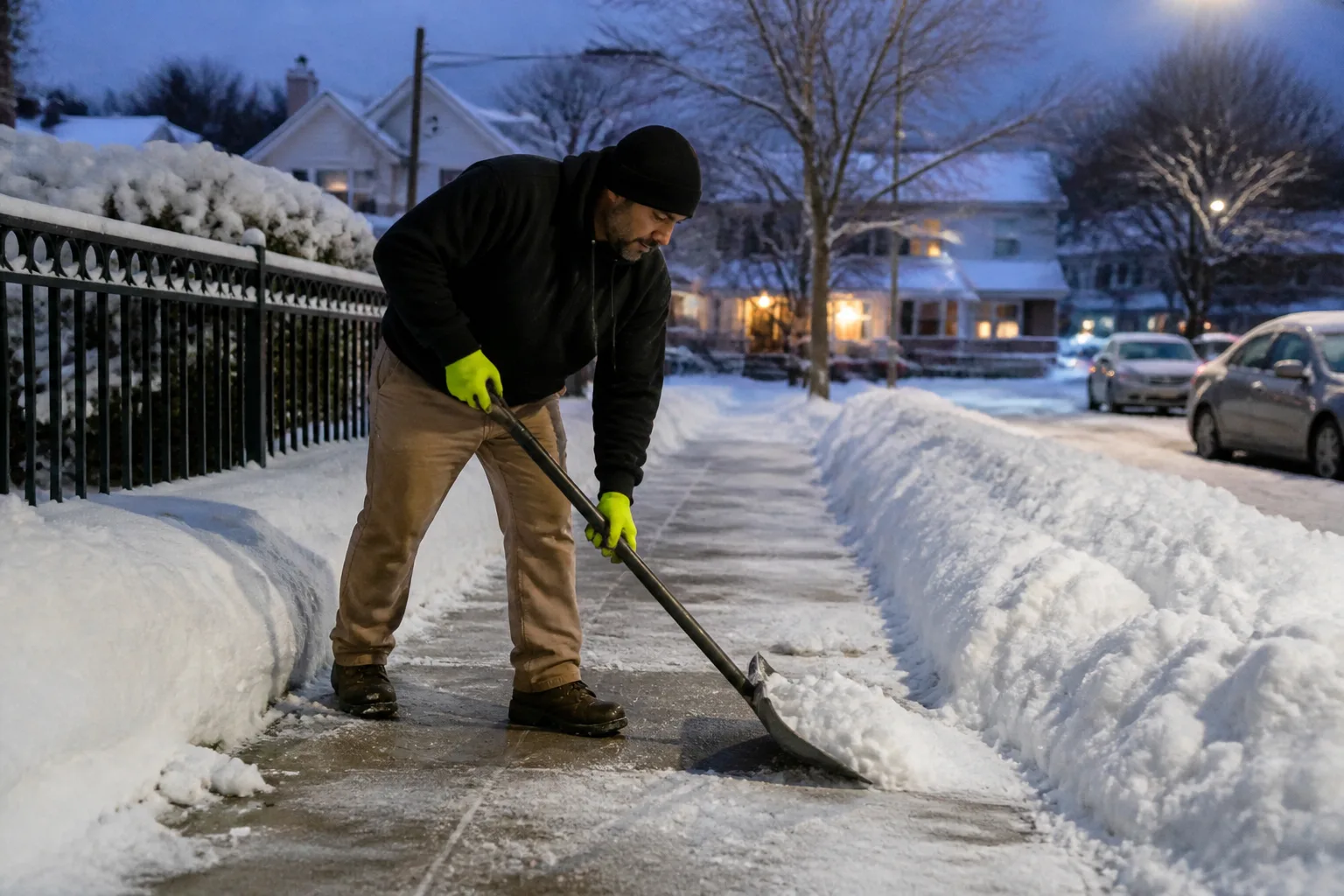
Navigating the legal landscape of a Boston winter is just as important as having the right equipment. The City of Boston enforces strict ordinances to ensure that sidewalks remain accessible for everyone, including emergency responders, mail carriers, and neighbors with limited mobility. Under city law, residential and business property owners are required to clear snow, sleet, and ice from sidewalks adjacent to their property to maintain public safety.
Timing is everything when it comes to compliance. Boston follows what is commonly known as the '3-hour rule.' This means you must have your walkways cleared within three hours after the snowfall has ended. If the storm concludes overnight, the clock starts at sunrise, giving you three hours from that point to ensure the path is safe. Failing to meet these deadlines can result in daily fines that increase the longer the hazard remains. For property owners managing larger footprints or storefronts, commercial snow plowing in Boston provides a reliable way to stay ahead of these strict city clocks.
When clearing your sidewalk, the width of the path is a specific legal requirement rather than a suggestion. To comply with the essential winter safety tips Boston residents must follow, the cleared path must be at least 42 inches wide. This specific measurement ensures that individuals using wheelchairs or parents pushing strollers can pass through safely without being forced into the street. Additionally, it is illegal to shovel snow back into the roadway or against a fire hydrant. Keeping your corner of Roslindale clear according to these standards is a legal necessity that keeps our community mobile and accessible throughout the season.
2. Prioritize Physical Safety During Heavy Snowfall
Compliance with city ordinances is vital, but it should never come at the expense of your physical health. In Roslindale, we often deal with "heart attack snow," a term used for the heavy, wet slush that settles during temperatures near freezing. This type of snow is incredibly dense; a single shovel load can weigh over twenty pounds. When you combine this extreme physical exertion with cold air, which naturally constricts blood vessels and increases blood pressure, the strain on the cardiovascular system is significant.
To protect yourself during a storm, treat shoveling with the same caution as a heavy gym workout. Start with a brief warmup indoors to get your circulation moving. When you head outside, prioritize pushing the snow to the edge of the driveway rather than lifting and throwing it. If lifting is unavoidable, use a shovel with a smaller blade to limit the weight of each scoop, and always bend at your knees to prevent acute back strain. Taking a break every fifteen minutes is one of the most effective winter safety tips Boston residents can follow to prevent overexertion and monitor for signs of chest pain or shortness of breath.
Managing your body temperature is equally critical. Avoid heavy cotton clothing, which absorbs sweat and can lead to hypothermia once you stop moving. Instead, dress in moisture-wicking layers that allow your skin to breathe while trapping heat. Remember to drink water frequently, as dehydration occurs rapidly in dry winter air. If the physical demand of a heavy New England snowfall feels overwhelming, outsourcing the labor to residential snow removal services is a practical way to ensure your property stays safe without risking a medical emergency.
3. Maintain Clear Entryways and Emergency Exit Paths
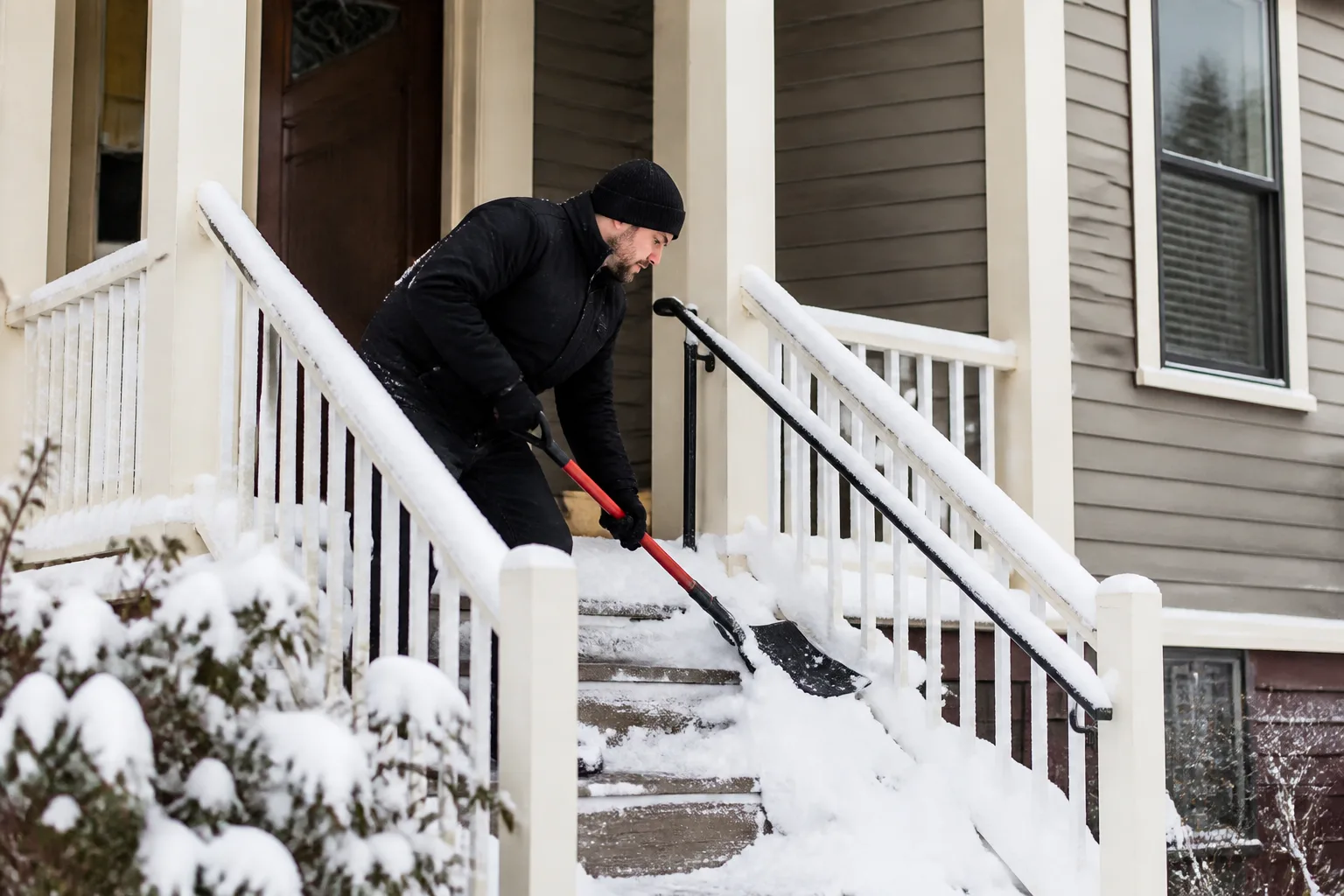
After addressing the physical demands of labor, you must focus on the specific high-risk zones of your property that require meticulous attention. Steps and walkways are the most frequent sites for slip-and-fall accidents because they serve as the primary transit points for residents, delivery drivers, and emergency personnel. When clearing these areas, you should aim to scrape the surface all the way down to the pavement. Leaving even a half-inch layer of snow allows for ice bonding, a process where the snow melts slightly during the day and refreezes into a slick, impenetrable sheet at night. This bond makes subsequent removal much more difficult and often leads to damaged masonry or cracked concrete when you are forced to chip it away later.
One of the most critical winter safety tips Boston homeowners should follow involves monitoring exterior utility vents, a step frequently missed in basic shovel routines. In dense Roslindale neighborhoods where homes often have narrow side yards, wind can easily create deep drifts that block furnace, dryer, and water heater exhaust pipes. If these vents are obstructed by snow, carbon monoxide can back up into the living space, creating a silent and life-threatening hazard.
After every significant snowfall, walk the entire perimeter of your home to ensure these pipes are clear of snow and ice buildup. If you are unable to reach these areas safely or have a multi-unit property with complex access points, utilizing residential snow removal services ensures that all critical exit paths and ventilation points remain unobstructed. Keeping these emergency paths clear is a fundamental requirement for maintaining a safe environment throughout a New England winter.
4. Strategic Ice Management for Walkways and Driveways

Managing ice in Roslindale requires more than a bag of generic salt. Because our local micro-climate often experiences "flash freezes" as temperatures plummet immediately after a Nor'easter, choosing the right chemical agent is vital for both safety and property preservation. Using the wrong product can lead to spalling, a condition where the surface of your concrete flakes or pits due to accelerated freeze-thaw cycles. Selecting an agent based on the forecast temperature is the first step in effective maintenance.
De-Icing Agent | Lowest Effective Temp | Impact on Property and Pets |
|---|---|---|
Sodium Chloride (Rock Salt) | 15°F | Highly corrosive to concrete; can irritate pet paws. |
Calcium Chloride | -25°F | Works in extreme cold but can leave an oily residue. |
Magnesium Chloride | 0°F | Safest for masonry, vegetation, and animal safety. |
For most residential properties, magnesium chloride is the superior choice. It is significantly less corrosive to walkways and far safer for the paws of neighborhood dogs. To maximize effectiveness, apply the agent as a pre-treatment before the storm begins. Creating a thin barrier on the pavement prevents snow from bonding to the surface. This technique, often used in professional commercial snow plowing in Boston, makes the eventual cleanup significantly easier and reduces the total volume of chemicals released into the local environment.
Proactive ice management is one of the most essential winter safety tips Boston homeowners should adopt to mitigate the risks of black ice. By treating surfaces before the temperature drops, you ensure that even during a rapid evening freeze, your walkways remain navigable for your family and neighbors. If you find the timing or application of these treatments difficult to manage, residential snow removal services can provide the consistent monitoring required to keep your property ice-free throughout the season.
5. Prevent Property Damage from Ice Dams and Roof Snow
After securing your driveways and walkways, the next priority is looking upward to your roofline. In historic Roslindale neighborhoods, many older homes lack the modern attic insulation required to maintain a cold roof surface during a freeze. When heat escapes from the living space into the attic, it warms the roof shingles and melts the bottom layer of snow. This water then runs down to the unheated eaves and gutters, where it refreezes into a thick ridge of ice known as an ice dam. These dams prevent further drainage, forcing liquid water back under the shingles and eventually into your interior walls and ceilings.
Strategic roof management is one of the most vital winter safety tips Boston homeowners can implement to avoid thousands of dollars in water damage. If you can reach the roof safely from the ground, use a long-handled roof rake to remove snow from the first three to six feet of the roof edge. This prevents the initial buildup that leads to damming. However, you should never climb a ladder to clear snow or attempt to chip away ice with a hammer; this often causes more damage to the shingles than the ice itself. Metal tools can easily puncture the roofing membrane, leading to immediate leaks when the next thaw occurs.
Be particularly mindful of large icicles forming over entryways and porches. While they may look festive, massive icicles are a direct indicator of significant heat loss and pose a serious strike risk to anyone walking below. Heavy snow accumulation also puts significant structural stress on older rafters and porch roofs, especially when the snow is wet and dense. By employing residential snow removal services, you ensure that these overhead hazards are managed by professionals who understand the structural nuances of New England architecture. Protecting your home from the top down is the final step in a comprehensive winter plan that keeps your property intact until the spring thaw.